

Bilingualism – General
Common myth: bilingualism is a rare phenomenon. Reality: half of the world’s inhabitants speak more than one language, every day. Bilingualism is a phenomenon existing all over the world, on […]
Frequently Asked Questions
Should I expose my child to two languages from birth? Specialists are unanimous in their opinion: exposing a child to two languages from birth is the best way for the […]
Importance of Oral Expression

In francophone minority settings, it is particularly important to ensure that children express themselves orally in French every day. This allows children: to “speak” (oral expression) as in a game without […]
English Language Proficiency – Does the Francophone School System Allow a Child to Learn English to a Level that Allows the Child to be Successful in Life?
This is a common concern, but it is not well-founded in British Columbia unless the child has specific learning difficulties. This is the most often asked question for the administrative […]
Choosing the school – a Francophone School or French Immersion?
Francophone and French immersion schools don’t have exactly the same goals and methods. Here is a short summary. The purpose of a Francophone school is to teach French as a […]
Bilingualism – Young Children
We often hear that children are like sponges and that they can easily learn any language when they are young. This is true, provided that they are thoroughly exposed to […]
Bilingualism – Types of Bilingualism
Early bilingualism – there are two types: simultaneous early bilingualism and consecutive (or successive) early bilingualism. Simultaneous early bilingualism refers to a child who learns two languages at the same […]
The Role of the Non Francophone Parent in a Bilingual Family
The main things… Show a positive and encouraging attitude towards French (this makes French relevant and interesting for the child; this also reassures them). Even if this attitude is expressed […]
The Role of Parents – When Both Parents are Francophones
The challenge… The child is probably able to converse in French, but the type of French that the child speaks may be very different from that used in the school. […]
Mixing Languages (Code Switching) – Should I be concerned?
No, mixing languages is quite normal. Linguists prefer to use the expression code switching (code in this sense means linguistic or language code) because mixing languages is a little different […]
Early Bilingualism – Does Early Bilingualism Delay Language Development?
This is a common myth that follows research dating back to the 1920s and 1930s which was later proved wrong. In actuality, if a child has language difficulties or delays […]
The Child Responds in English When We Talk to Him in French – What Should We Do?
Note: The parameters below apply to children younger than seven years old. If English is the language of communication at home and the language of the majority in the surrounding […]
Importance of Reading
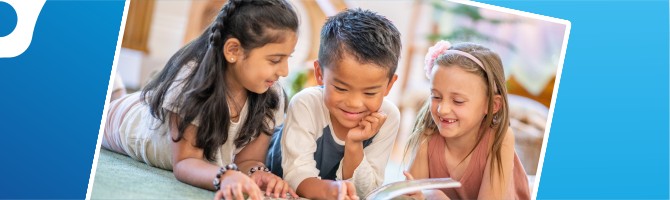
The Importance of Reading in Language Development Reading exposes the child to French vocabulary and situations that may otherwise not be common in Francophone minority settings. It strengthens language development […]
Early Bilingualism – Will Children Be Able to Learn English Properly?
This is a common concern, but it is not well-founded in British Columbia unless the child has specific learning difficulties. This is the question most often asked to the administrative […]
Mistakes – How to Correct “Mon maman”, ” Je suis fini!”, and “Moi va rec center”?
By reformulating the mistakes properly and positively By not giving the child a feeling of failure By first listening to the child’s message (and not correcting continuously) Child Parent “Juice, […]
Should One Expose a Child to Two Languages From Birth?
Specialists are unanimous in their opinion: exposing a child to two languages from birth is the best way for the child to become bilingual. In fact, this language exposure can […]
Myths About Early Bilingualism
Myth: Some people claim that it is better to wait for a child to learn the basics of a language well, before making the child learn another language. This way, […]
“First Let’s Strengthen the First Language, the Second Will Come Later” (Myth)
This is a myth. Some people claim that it is better to wait for a child to learn the basics of a language well, before making the child learn another […]
The Optimal Age for Learning a Second Language
Specialists are unanimous in their opinion: exposing a child to two languages from birth is the best way for the child to become bilingual. In fact, this language exposure can […]
The Arrival of a Very Young Child in an Environment Where He/She Must Learn a Second Language
This is called consecutive (or successive) early bilingualism. The child already has a first language and learns a second early in childhood; for example, because the child moved to an […]